To walk through a Florida forest is to experience a world teeming with life. From the towering longleaf pines of the Panhandle to the cypress domes of the Everglades, our state’s woodlands are vibrant, lush, and remarkably resilient. But the secret to their vitality isn’t just the abundant sunshine or the humid air. It lies deep beneath the sandy soil, in a vast, hidden reservoir of fresh water that is the true lifeblood of our natural world: the Floridan Aquifer. This immense underground system is more than just a source of drinking water for millions of people; it is the silent, indispensable partner to every tree, plant, and creature that calls our forests home. Understanding this critical connection is the first step toward preserving the delicate balance of our unique ecosystems.
The Unseen River Beneath Our Feet
The Floridan Aquifer is one of the most productive aquifers in the world. It’s not an underground lake or river in the conventional sense, but rather a sprawling, porous layer of limestone that acts like a massive sponge. Stretching for thousands of square miles beneath Florida and parts of neighboring states, this limestone framework holds trillions of gallons of fresh water that has slowly filtered down from the surface over centuries. Areas known as “recharge zones,” where the limestone is close to the surface and the soil is sandy, act as natural intake valves, allowing rainwater to percolate downward and replenish the system.
From this subterranean reservoir, water emerges back into the light through thousands of springs, creating the crystal-clear rivers like the Ichetucknee and Silver Springs. It also seeps upward, maintaining the water levels in lakes and wetlands. For the forests, this means the aquifer is a foundational element of the landscape itself. It dictates where certain ecosystems can thrive, feeding the swamps, marshes, and low-lying hammocks that are characteristic of Florida’s wild spaces. Without the constant, steady supply from the aquifer, the landscape would be fundamentally and irreversibly altered.
A Thirsty Landscape: How Forests Tap the Aquifer
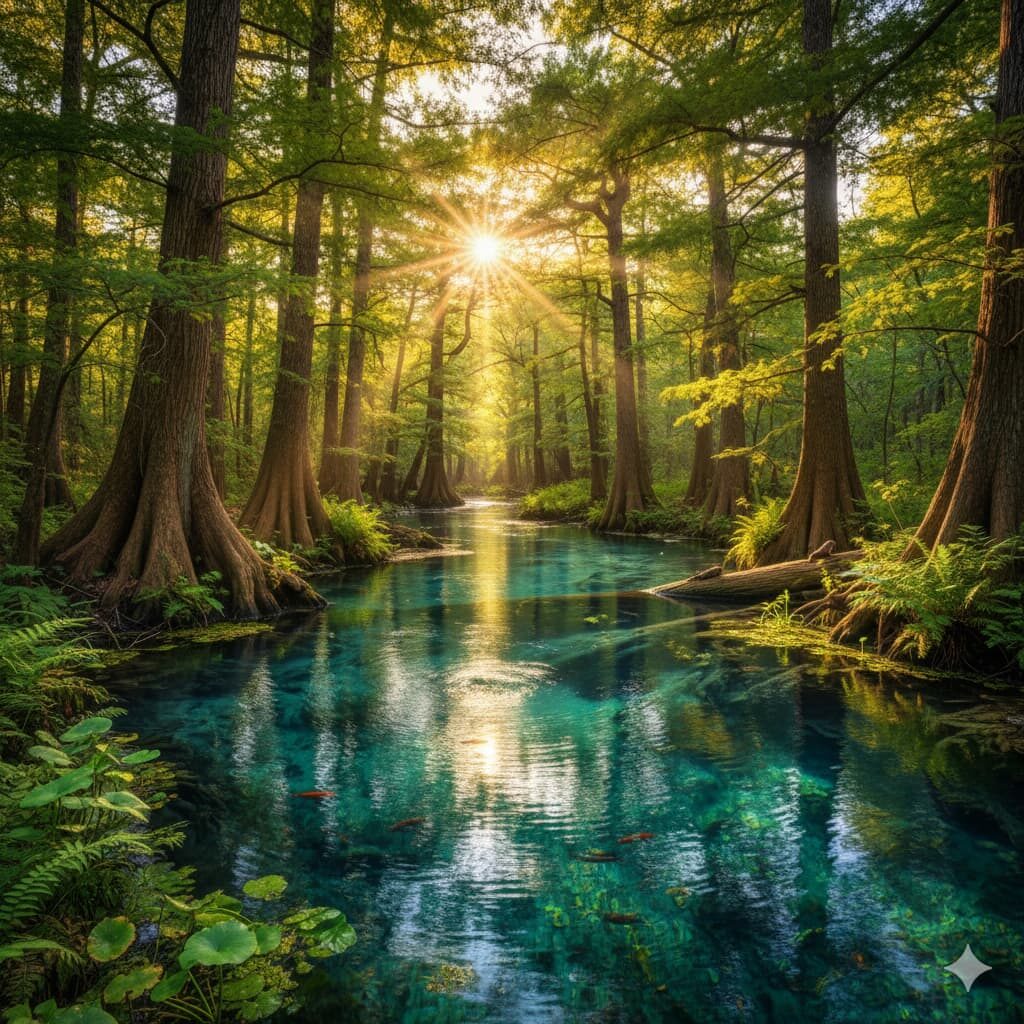
The relationship between Florida’s forests and the aquifer is a deep and symbiotic one. Trees and plants draw upon this subterranean water source in several essential ways, ensuring their survival even during periods of drought. The health of a forest is a direct reflection of the accessibility and quality of this hidden water.
This dependence manifests in several critical functions:
- Direct Hydration for Deep-Rooted Trees: Many of Florida’s iconic trees, such as live oaks and mature pines, have extensive root systems that can penetrate deep into the soil to tap into the water table, which is fed by the aquifer. This provides them with a stable source of moisture that is unavailable to shallower-rooted plants, giving them a competitive advantage and anchoring the entire forest structure.
- Creation of Wetland Oases: The aquifer is the engine that drives Florida’s wetlands. By feeding springs and creating seeps, it gives rise to cypress domes, riverine swamps, and hydric hammocks. These wetlands are biodiversity hotspots, providing critical habitat for countless species and acting as the epicenters of life within the larger forest ecosystem.
- Buffering Against Drought: Florida’s rainfall can be seasonal and unpredictable. The aquifer acts as a massive natural reserve, providing a consistent base flow to rivers and maintaining soil moisture long after the rains have stopped. This drought-proofing is essential for the long-term health and stability of the forest, preventing widespread die-offs during dry spells.
- Regulating Microclimates: The constant presence of water from the aquifer contributes to higher humidity levels within the forest canopy. This localized humidity reduces water loss from leaves (transpiration) and creates a more stable, favorable growing environment for the entire plant community.
The Silent Threats to Our Shared Lifeline
This life-sustaining connection, however, is under increasing strain. The same aquifer that our forests depend on is the primary source of water for our cities, towns, and agricultural industries. As Florida’s population has grown, the demand for water has skyrocketed, leading to a host of silent threats that endanger both the aquifer and the forests that rely on it. Over-extraction is lowering the water table in many areas, effectively pulling the rug out from under deep-rooted trees and causing springs to flow at reduced rates or dry up entirely.
Furthermore, pollution from agricultural runoff, industrial waste, and residential septic systems can introduce nitrates and other contaminants into the water. As these pollutants seep into the aquifer, they degrade the water quality, harming not only human health but also the sensitive aquatic life in the springs and rivers that are the heart of the forest. Finally, urban sprawl paves over critical recharge zones, preventing rainwater from replenishing the aquifer and starving the system of the very resource it is being asked to provide. A forest can’t thrive if its roots are dry and its water is tainted. The health we see above ground is entirely contingent on the responsible stewardship of the water below. Protecting our forests, therefore, means protecting our aquifer with equal vigor.